
Off-Campus Housing Near Ohio State: A Complete Renter’s Guide
Learn when to search, where to live, what to budget for, and how to compare off-campus apartments and houses near Ohio State University in Columbus.
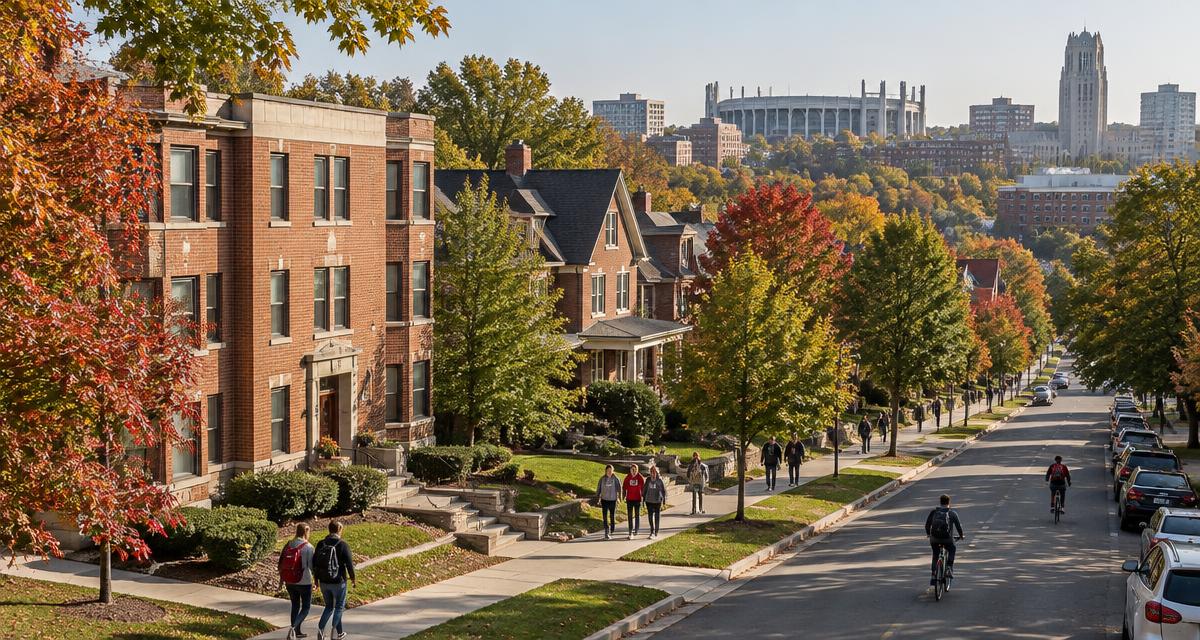
The best way to find off-campus housing near Ohio State is to start early, choose a location that fits your daily routine, compare the full monthly cost rather than rent alone, and tour the actual home before applying. Around The Ohio State University, renters can choose from traditional apartments, flats, townhouses, and standalone houses in areas such as Iuka Ravine, North Campus, South Campus, Central Campus, Victorian Village, and the Short North. This guide explains how to narrow those choices and move forward with confidence.
Here & There Around Campus is an independent Columbus landlord with rentals in and around the university area. Because every renter’s priorities are different, this guide does not name one neighborhood as universally best. Instead, it shows what to compare and points you toward real property pages and current listings when you are ready to look closer.
When should you start looking for OSU off-campus housing?
Start researching several months before you need to move, especially if you want a particular street, bedroom count, or property style. The Ohio State rental market includes students moving around the academic calendar as well as graduate students, medical staff, faculty, and other Columbus residents with different schedules. There is no single date when every home becomes available, so an early search gives you more time to understand the market without forcing a rushed decision.
Begin by making a short list of nonnegotiables: desired move-in window, number of bedrooms, maximum total monthly housing cost, pet needs, parking needs, and the campus destination you visit most often. A renter who spends most days near the medical center may make a different location choice from someone whose classes are concentrated on the north side of campus. Once you know those basics, check the live vacancies near Ohio State regularly because availability can change.
Do not apply only because a listing appeared first. Read the description, study the photos, confirm which utilities are separate, and ask whether the unit shown is the unit being offered. If your move is still far away, use the property pages to learn the housing stock now, then return to current vacancies as your date approaches.
How to choose where to live near Ohio State
The right area is the one that makes your ordinary week easier. Think about your most frequent destination, whether you prefer a quieter residential setting or a busier commercial corridor, and how often you expect to walk, bike, drive, or use transit. A map can show distance, but a tour helps you understand the street, the building entrance, lighting, parking, and the route you would actually use.
The Iuka Ravine area sits close to campus while offering mature trees, varied architecture, and a more tucked-away residential feeling. Ravine Ridge Apartments includes studios through four-bedroom homes on Iuka Avenue and Summit Street. It can suit renters who want to remain near Ohio State while placing a peaceful home setting high on their list.
Victorian Village and the Short North place renters near neighborhood businesses and destinations north of downtown. At 1350 Neil Avenue, Flats on Neil offers mostly two-bedroom flats plus an efficiency, near the university medical district. These homes may appeal to renters who value established residential streets and access to nearby dining, coffee, and city life.
North, South, and Central Campus each contain a mix of rental styles. A house may offer more bedrooms and separation between living areas, while a flat or apartment may simplify shared maintenance. Browse More Around Campus properties to compare actual houses, townhouses, and flats by address rather than relying on broad neighborhood labels.
Avoid choosing solely from an online neighborhood ranking. Visit at the times you expect to leave for class or return home. Look at sidewalk conditions, bike storage, street activity, nearby bus stops, and the route to groceries. Those details often matter more after move-in than a neighborhood’s reputation.
Apartment, flat, townhouse, or house: which fits you?
An apartment or flat is often a practical choice for one or two renters who want a defined layout and less exterior upkeep. Older Columbus flats can have character features such as hardwood floors, fireplaces, large windows, and distinct rooms. Ask how laundry, parking, storage, utilities, and shared outdoor areas work for the specific unit, because these details vary by building.
A townhouse can give roommates multiple levels and more separation between sleeping and common areas. A standalone house may provide additional bedrooms, porches, yards, or off-street parking, but it can also create more shared responsibilities. Before signing with roommates, agree on how rent, utilities, cleaning, groceries, parking, and guest expectations will be handled.
Bedroom count should not be the only measure of fit. Check whether bedrooms are reasonably similar, whether furniture can move through stairways and doors, and whether the kitchen and common areas work for the number of residents. If anyone studies or works from home, identify where quiet work can happen before move-in rather than assuming the household will figure it out later.
Build a realistic Columbus rental budget
Your housing budget should include more than advertised rent. Ask which utilities you will pay, how they are billed, whether parking costs extra, and what deposits or one-time fees apply. Internet, electricity, gas, water, renters insurance, laundry, pet charges, and transportation can materially change the monthly total. Never assume that one property’s arrangement applies to another.
For roommates, decide in advance whether costs will be divided equally or adjusted for bedroom size, parking, or another exclusive benefit. Put the agreement in writing for the household, even if everyone is already friends. Each renter should also understand the lease terms and what happens if someone wants to leave before the lease ends.
Keep a reserve for moving expenses and the first weeks in a new home. Boxes, a truck, utility setup, basic cleaning supplies, and small household purchases add up quickly. A realistic plan protects you from choosing a home that works on paper but leaves no room for everyday life.
Compare pets, parking, and transportation before applying
Pet-friendly does not always mean that every animal or situation is approved automatically. Here & There allows pets at most properties with a pet fee and monthly pet rent. Tell the leasing team about your pet before applying and ask about the rules for the particular home. This is also the right time to confirm outdoor access and nearby walking options that matter to you.
If you have a car, ask whether parking is assigned, included, offered for an additional charge, or located on the street. Confirm how many spaces come with the home and whether guests have options. Do not treat an open curb space during a midday tour as proof that street parking will always be easy.
If you plan to walk, bike, or take a bus, test the route. Consider winter weather, evening travel, bicycle storage, and the distance from your front door to the campus building you use. The closest address by a straight line may not produce the simplest everyday trip.
What to check during an apartment tour
Tour with a checklist and take notes. Look at the actual bedrooms, closets, kitchen storage, bathroom ventilation, windows, locks, outlets, heating and cooling equipment, laundry access, and parking. Test water pressure if permitted, ask where trash and recycling go, and note any existing wear. Photos help you compare homes later, but ask permission before photographing an occupied unit.
Ask direct questions: What is the move-in date? Which utilities are the tenant’s responsibility? How is maintenance requested? Is the pictured unit the available unit? What must be paid before move-in? What pet and parking terms apply? When will you receive the complete lease to review? A professional leasing conversation should give you clear answers or identify what still needs confirmation.
Pay attention to whether the layout supports your furniture and routines. Measure large items if the leasing team permits it. For roommates, let everyone see the bedroom arrangement before committing. If someone cannot attend, a live video walk-through is more useful than relying on a few still images.
How to prepare a strong rental application
Have the requested information ready before the right home appears. Leasing applications commonly ask for identification, contact information, rental history, income or financial qualification details, and information for each adult occupant. Student renters may also need a guarantor or co-signer depending on the property’s screening requirements. Ask what is required rather than sending sensitive documents through an unverified channel.
Read every application instruction and submit complete, accurate information. If several roommates are applying, coordinate so one missing section does not slow the group. Before paying, understand whether a charge is an application fee, deposit, holding fee, or another payment and whether it is refundable. Keep copies of the listing, receipts, application materials, and later the signed lease.
Never rely on a verbal promise that conflicts with written lease language. Review the lease carefully, including rent due dates, utility responsibilities, occupancy limits, maintenance procedures, renewal terms, pet terms, parking, and move-out requirements. Ask questions before signing. For questions about a Here & There property, contact the leasing office for details tied to that specific rental.
How to avoid rental scams and rushed decisions
A legitimate-looking post is not enough proof that the person advertising a home is authorized to lease it. Start from the landlord’s official website or a recognized leasing portal, confirm that contact details match across pages, and be cautious when someone immediately moves the conversation to an unfamiliar account. Search the property address and company name independently instead of trusting only the links in a message or social post.
Common warning signs include pressure to pay before you can see the home, a price that appears disconnected from comparable nearby listings, refusal to provide a written lease, requests for unusual payment methods, and explanations that the owner cannot meet or arrange a legitimate tour. A remote renter may need a video showing, but the representative should still be able to identify the property clearly, explain the application process, and provide verifiable business contact information.
Protect personal information as carefully as money. Rental screening may require sensitive details, but those details should go through the stated application process, not an unsolicited text, email attachment, or direct message. Ask why information is needed and how to submit it securely. Do not send a Social Security number, banking credentials, or identification simply to receive basic listing information or schedule an ordinary showing.
Before paying any amount, understand what the payment is for, who receives it, whether it is refundable, and what written document governs it. Read the lease at your own pace and make sure the address, unit, dates, rent, occupants, and promised terms are accurate. If the process suddenly changes or the written details do not match what you were told, pause and verify. Missing one rental is better than entering a fraudulent or misunderstood agreement.
Plan for a smooth move-in near campus
Once your lease is complete, make a move-in calendar. Confirm when and where keys are collected, schedule utilities for the correct date, reserve movers or a vehicle, and coordinate arrival times with roommates. Campus-area streets can be active during major move-in periods, so avoid having several vehicles arrive without a plan.
Complete the property’s move-in condition process carefully. Photograph each room and document existing marks or damage in the required format and timeframe. Save those records with your lease. Learn how to submit maintenance requests and where emergency instructions are located before you need them.
Finally, introduce a simple household system for bills, cleaning, mail, trash, and shared supplies. A little structure during the first week prevents many common roommate problems. Your rental should support your time at Ohio State and in Columbus, not become another source of uncertainty.
Your next step
Start with the homes that are actually open. The current vacancies page displays live listings from the leasing portal, so it is the best place to confirm what is available now. From there, compare Ravine Ridge Apartments, Flats on Neil, and houses and apartments around campus for photos, bedroom and bathroom counts, property details, and location context.
When a home looks promising, text (520) 464-4922 to schedule a showing or call the leasing office at 614-299-2280 with questions. Availability and terms belong to the individual listing, so verify the details that matter to you before applying.
Frequently asked questions
What is the best area for off-campus housing near Ohio State?
There is no single best area for every renter. Iuka Ravine can suit renters seeking a more tucked-away setting near campus; Victorian Village and the Short North offer access to neighborhood businesses; and North, South, and Central Campus provide varied apartments, flats, townhouses, and houses. Choose based on your daily destination, preferred atmosphere, transportation, bedroom needs, and full budget.
When should I look for an apartment near Ohio State University?
Begin researching several months before your intended move, especially if you need a specific bedroom count, location, pet arrangement, or parking setup. Availability changes, so monitor current listings and confirm the move-in date on each individual home.
Are pets allowed in Here & There rentals near OSU?
Pets are welcome at most Here & There properties with a pet fee and monthly pet rent. Approval and terms can vary by home, so disclose your pet and confirm the current policy before applying.
What costs should I ask about besides rent?
Ask about electricity, gas, water, internet, laundry, parking, renters insurance, deposits, application charges, and any pet fee or monthly pet rent. Confirm which costs are included and which are paid separately for the exact unit you are considering.
Should I rent an apartment or a house near OSU?
Apartments and flats often work well for individuals or smaller households seeking a defined layout and less exterior upkeep. Houses and townhouses may offer more bedrooms, levels, or shared space for roommates. Compare the actual layout, total costs, maintenance responsibilities, parking, and location rather than choosing by property type alone.
How can I schedule a showing for an OSU-area rental?
Check the live vacancies page, then text (520) 464-4922 to request a showing. You can also call the leasing office at 614-299-2280 for questions about a particular property or listing.